The Great Token Restructuring
Intro
My friend Noah Goldberg recently wrote a blog called A Letter to Private Market Token Participants where he eloquently articulates the structural brokenness of the liquid token market due to private market participants funding and bringing ‘soulless token machines’ to market that lack sustainable economic value. Noah rightfully calls out the need for a token market restructuring to restore trust, confidence, and value — whether it occurs voluntarily or by force.
While it would be great if private market participants self-organize and commit to creating tokens with sustainable economic value, I am skeptical such a sea change would happen voluntarily — most private market participants were initially drawn to the token market to exploit ethically questionable incentives in the first place. I believe the most probable path to meaningfully restructure the token market is through force by regulation, likely through the passage of a crypto market structure bill in Congress.
Although a regulatory induced token restructuring would likely cause short-term value destruction, wiping out tokens that choose to not comply with SEC requirements (which I assume would be most of them), the regulatory transition would be long-term value accretive by laying a critical trust and safety net to support the token market’s future growth and institutionalization.
The Token Market Today
Today, the liquid token market primarily consists of valueless, speculative commodities — primarily in the form of “useless” governance or utility tokens that grant token holders no investor protections or rights to future cash flow. Token projects weaponize decentralization as a means to evade registration with the SEC. The reality is that with the exception of a few truly decentralized projects — Bitcoin, Ethereum, and maybe a handful of other projects — building a valuable product or service requires work from the efforts of a centrally organized core team.
In order to attract institutional capital to the token market and provide a way for liquid token investors (i.e. funds and retail) to realize profits, the token market needs to shift away from valueless, speculative digital commodities towards valuable, tokenized equity. Similar to how the Securities Exchange Act of 1934 restructured the U.S. equities market by establishing the Securities Exchange Commission (“SEC”) and raising the bar for public market access, the “SEC moment” for the token market could help accelerate the transition away from speculation towards value and create the foundation for long-term trust, safety, and confidence.
Token Market Parallels to Pre-SEC Market
The token market today looks no different than the U.S. equities market pre-establishment of the SEC.
Before the establishment of the SEC in 1934, the U.S. securities market was largely unregulated, opaque, and rife with abuse. There was no federal oversight, rampant fraud and market manipulation, and no mandatory reporting standards, which gave rise to speculative bubbles. While this speculative fever drove explosive market growth in the roaring twenties (i.e. 1920s), the bubble eventually popped on October 29, 1929 when the U.S. stock market suffered one of its most dramatic single-day declines, marking the onset of the Great Depression.
From 1929–1933, the U.S. equities market fell nearly 90% and over 5,000 banks failed. The Great Depression brought to the surface the structural inefficiencies, corruption, and lack of safeguards in the U.S. securities market. In response, the Securities Exchange Act of 1934 was passed by Congress in June 1934 to create the SEC as an independent federal agency to regulate secondary trading of securities, restore investor confidence, and oversee the operations of securities markets and brokers.
Effective immediately upon enactment of the Securities Exchange Act of 1934, publicly traded securities were required to register their securities with the SEC and adhere to the SEC’s disclosure, transparency, reporting, compliance, and governance requirements. Due to the increased cost and burden of complying with SEC requirements, many companies chose to delist or go private rather than comply — particularly small, speculative, or structurally unsound firms.
Although the establishment of the SEC initially introduced friction through new regulations and compliance costs, the agency’s oversight ultimately resulted in decade over decade capital markets expansion and institutionalization by imbuing markets with trust, standardization, and investor protections.
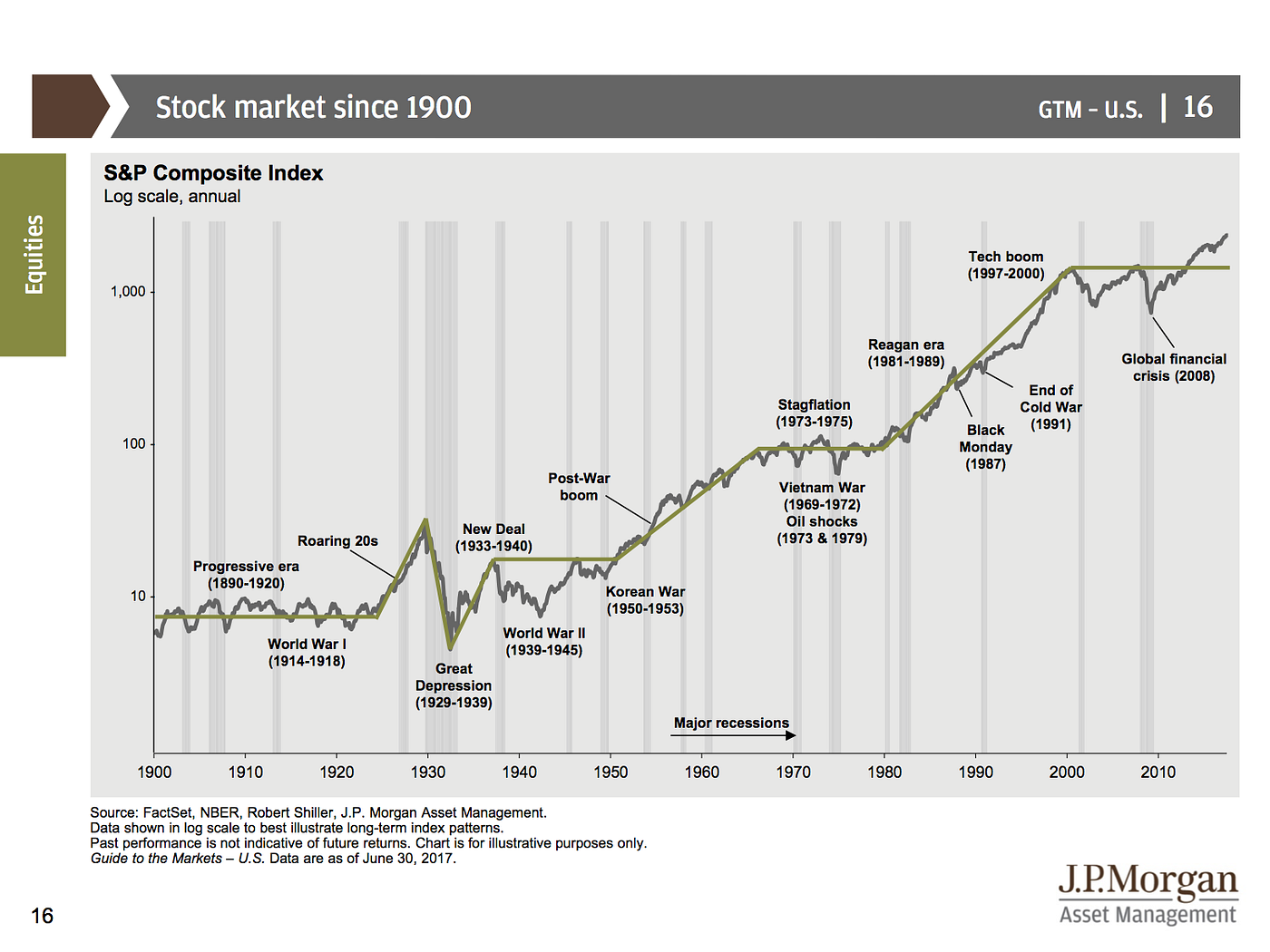
We are still in the “pre-SEC” era for the liquid token market, a market rife with fraud, market manipulation, lack of regulation, and opacity — similar to the state of the U.S. securities market pre-SEC. With the crypto market structure bill slated to be passed into law by August 2025 (hopefully), the token market’s “SEC moment” could happen sooner than we think.
Conclusion
In this new “post-SEC” regime, token projects deemed non-commodities will be faced with a rude awakening — register with the SEC or delist. Similar to how most public companies chose to delist or go private after the Securities Exchange Act of 1934 went into effect, I suspect most tokens will choose to delist due to either unwillingness or ill-preparedness to comply with stringent SEC compliance and reporting requirements.
While most of the companies that went public in the roaring twenties did not survive the regulatory transition brought on by the SEC, the remaining cohort of larger, more legitimate businesses thrived. Companies that survived the regulatory transition included brand names that still exist today like IBM, General Electric, Procter & Gamble, and Coca-Cola.
In the long-term, the best performing token projects will be those that are prepared for this future regulatory regime by transitioning their valueless commodity tokens into valuable tokenized equity and proactively kickstarting operational readiness plans to best comply with SEC compliance and reporting requirements.